Tier II reporting leaves little room for error. Between chemical inventories, state-specific rules, and annual deadlines, even experienced EHS teams can miss important details.
After filing more than 63,000 Tier II reports since 2019, Encamp consistently sees the same mistakes show up — not because teams aren’t trying, but because the process is complex and often decentralized.
Here are the top 10 Tier II reporting errors we see most often — and what to watch for before, during, and after reporting season.
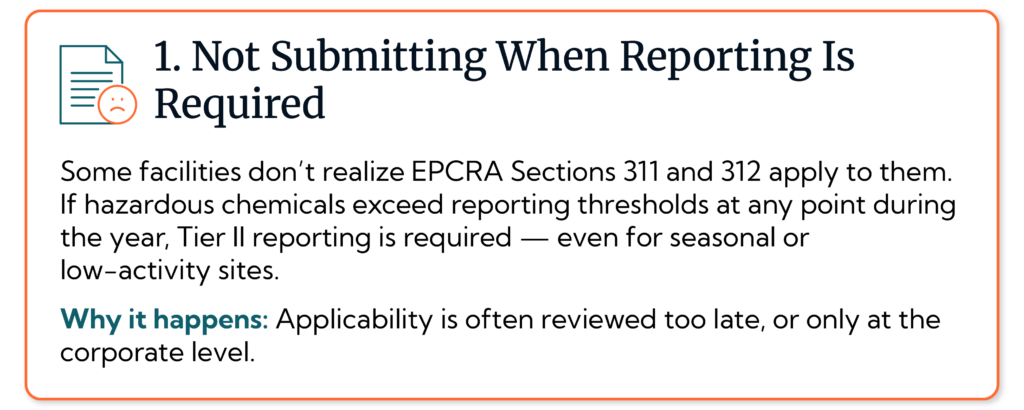
Not Submitting When Reporting Is Required
Some companies don’t realize EPCRA Sections 311 and 312 apply to them. If you store hazardous chemicals above threshold amounts, you must report — even if your facility operates seasonally or at low capacity.
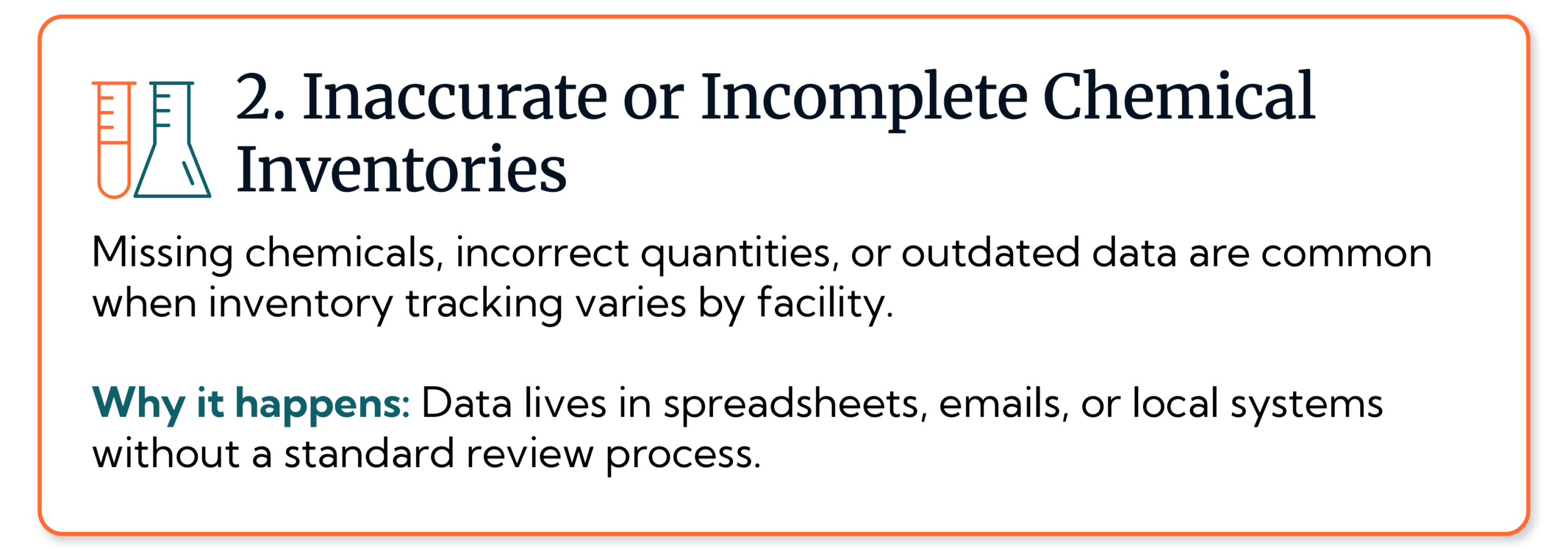
Inaccurate or Incomplete Chemical Inventories
Data errors often stem from inconsistent processes or lack of QA/QC. Make sure each facility follows the same standards and that all changes are reviewed before submission.
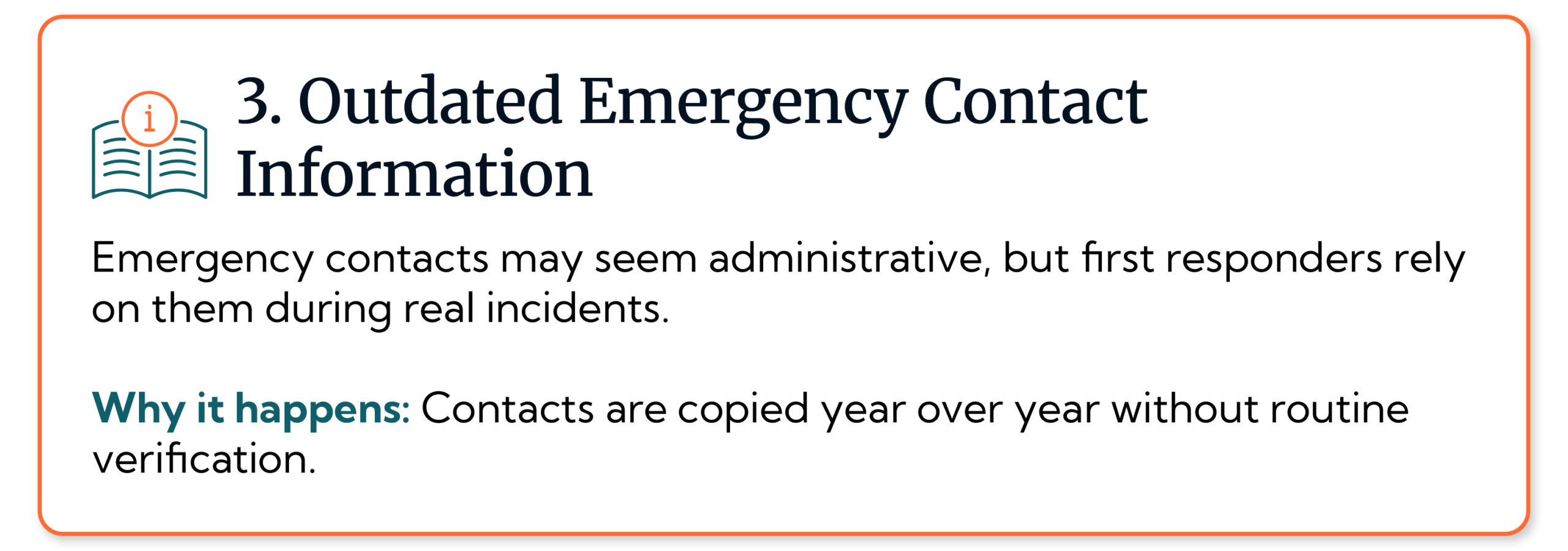
Outdated Contact Information
Emergency contact details might seem minor, but they’re critical for keeping first responders safe. Confirm every phone number and name annually.
Leaving Out Short-Term or Seasonal Chemicals
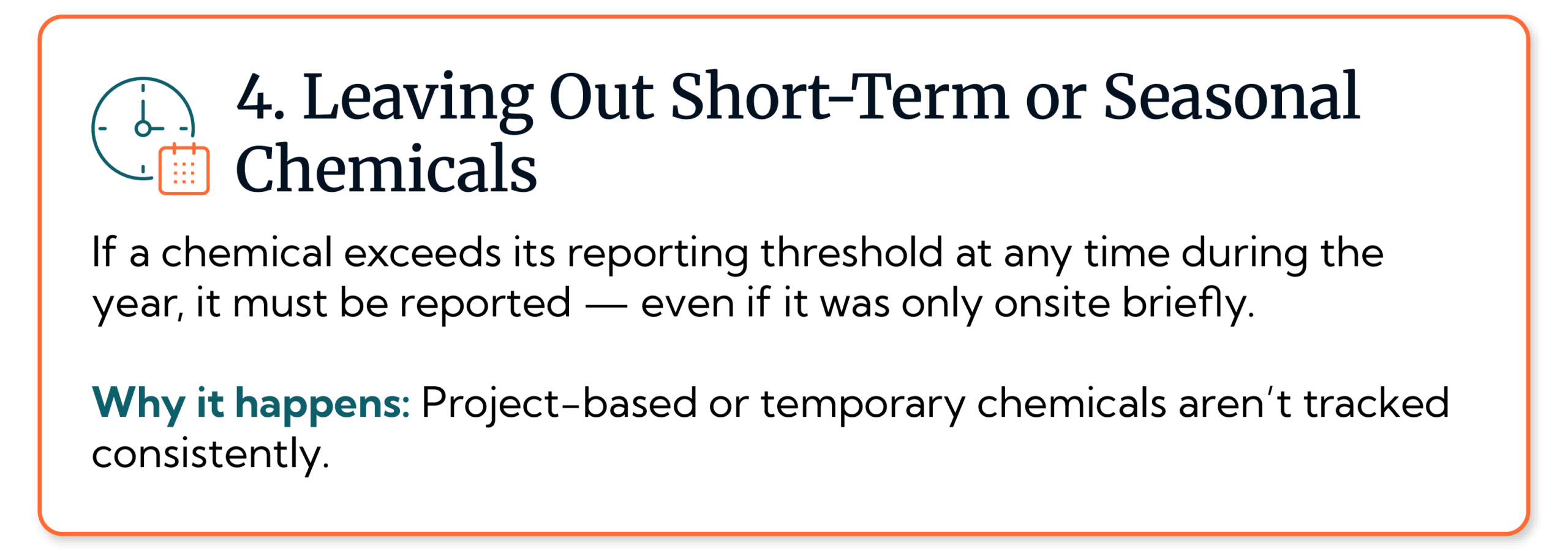
Any chemical that exceeds its threshold at any time during the reporting year must be included — even if it was only onsite briefly.
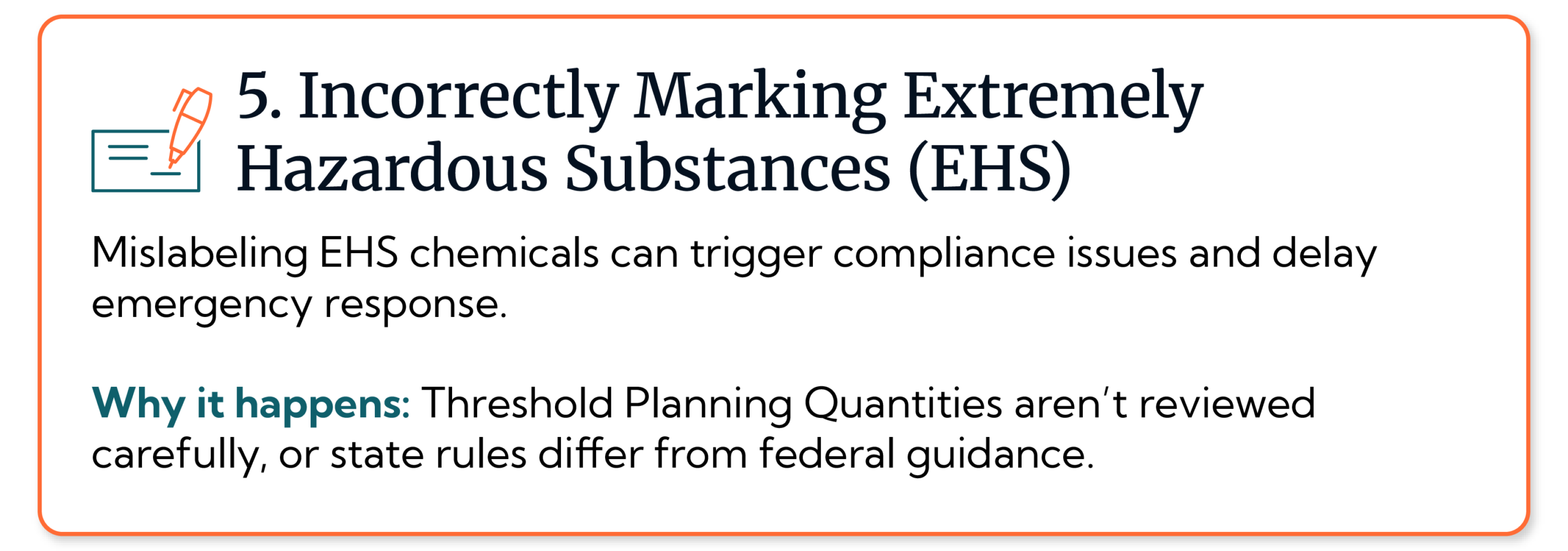
Incorrectly Marking Extremely Hazardous Substances (EHS)
Double-check your designations. Missing or mislabeling EHS chemicals can lead to regulatory penalties and delayed emergency response.
Missing Required Reporting Fees
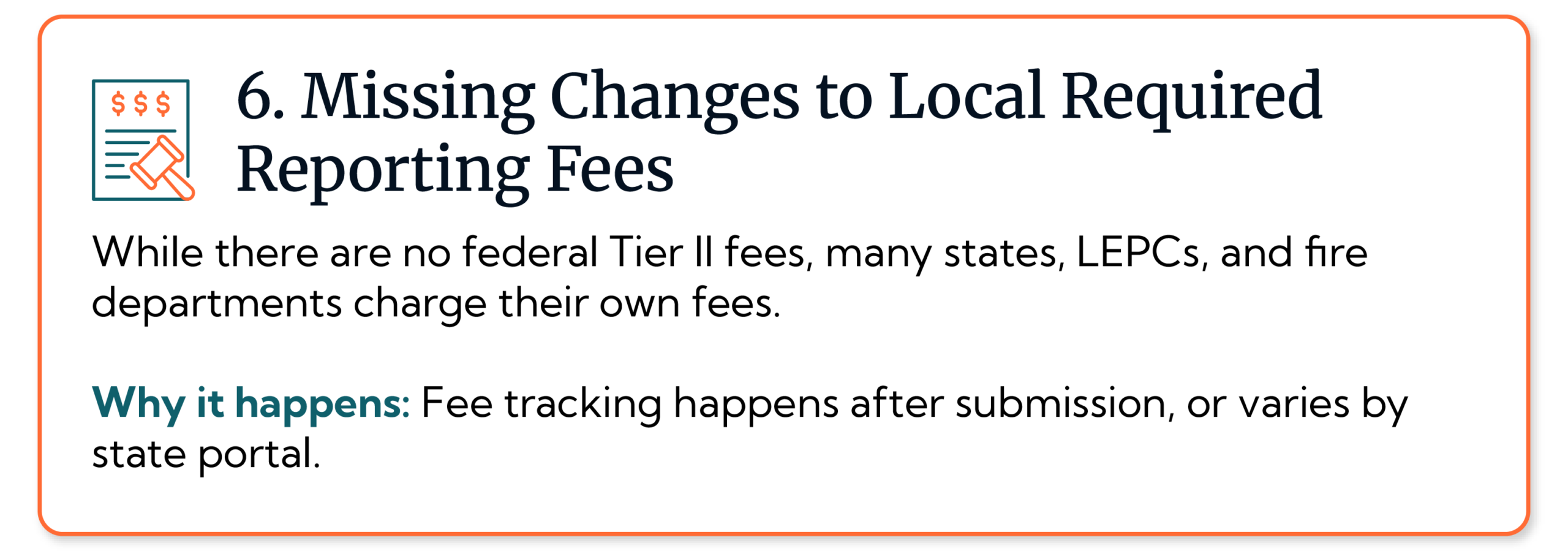
There are no federal Tier II fees, but many states, LEPCs, and local fire departments charge their own reporting or administrative fees — and these can change from year to year. Always verify the required payments for each jurisdiction and confirm completion through your reporting portal or local agency.
Failing to Update Safety Data Sheets (SDSs)
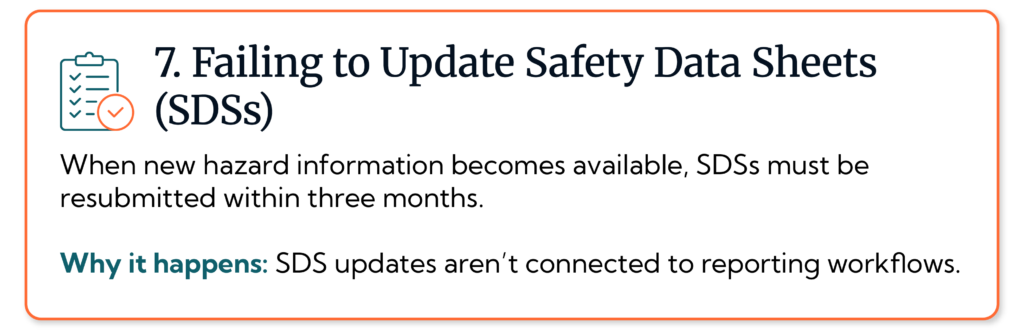
If new hazard information becomes available, facilities must resubmit SDSs within three months.
Using the Wrong Hazard Codes
Under EPCRA Sections 311 and 312, you must report only on chemicals that require SDSs. Be sure to apply the correct hazard categories from the OSHA system.
Submitting Outdated or Inaccurate Site Maps
Site plans guide emergency responders to chemical storage areas. Update them anytime storage locations change — even within the same facility.
Skipping Internal Review Before Submission
A rushed submission is risky. Build in time for internal review to catch small issues before they become large ones.
Tier II reporting errors are rarely the result of carelessness. More often, they happen because requirements change, details are easy to miss, and teams are managing compliance alongside many other priorities.
The 2026 Tier II Guide brings these requirements together in one place. It covers EPCRA sections in detail, outlines common reporting challenges, highlights what’s new for Reporting Year 2025, and provides practical guidance to support accurate, on-time filing.
If you’re looking for a clear, current reference to support your Tier II reporting process, you can download the 2026 Tier II Guide now!
Before You Go
Want a quick reference you can share or save?
The Top 10 Tier II Reporting Errors infographic pulls these common issues into a single visual that you can use during preparation and filing season. It’s designed to make it easier to spot gaps, align teams, and keep reporting on track.